Hyundai Elantra Engine Problems and How to Fix Them
The 2017 Hyundai Elantra is a popular compact sedan that combines reliability, fuel efficiency, and affordability. However, like any vehicle, the Elantra can develop engine problems over time, especially if it has high mileage or hasn’t received proper maintenance. Understanding these common issues and how to address them is key to keeping your vehicle running smoothly.
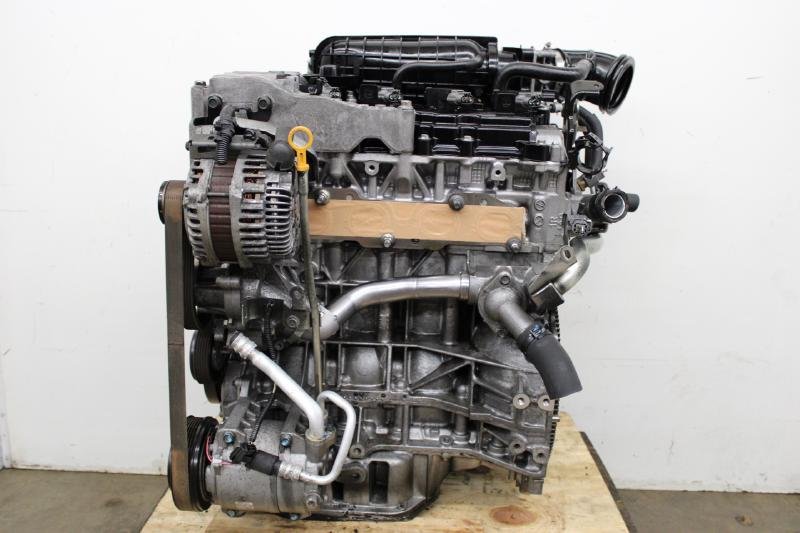
This guide will cover the most frequent 2017 Hyundai Elantra engine problems, how to fix them, and tips for choosing a used Hyundai Elantra engine if you need a replacement.
Understanding the 2017 Hyundai Elantra Engine
The 2017 Elantra typically comes with a 1.8-liter 4-cylinder engine, producing around 147 horsepower. It’s paired with either a 6-speed manual or a 6-speed automatic transmission. This engine is known for fuel efficiency and smooth daily driving, but several issues have been reported by owners and automotive experts.
When buying a used Elantra, understanding engine health is crucial. Signs of wear or failure can include unusual noises, reduced performance, or warning lights on the dashboard.
Common 2017 Hyundai Elantra Engine Problems
1. Engine Knocking and Ticking Noises
Symptoms:
- Ticking or knocking sounds coming from the engine
- Reduced engine performance
- Possible vibration while idling
Causes:
- Low oil levels or poor oil quality
- Worn engine components, including pistons and rods
- Carbon buildup inside the engine
Solutions:
- Check and replace engine oil regularly with the recommended grade
- Perform an engine cleaning service to remove carbon buildup
- In severe cases, repair or replace worn engine parts
2. Oil Consumption Issues
Some 2017 Elantra engines experience excessive oil consumption.
Symptoms:
- Oil levels dropping faster than expected
- Blue smoke from the exhaust
- Engine warning lights
Causes:
- Worn piston rings
- Faulty valve seals
- Improper maintenance
Solutions:
- Top off oil regularly and monitor levels
- Replace faulty valve seals or worn piston rings
- Consider a used Hyundai Elantra engine if oil consumption is severe
3. Timing Chain and Tensioner Problems
The timing chain is a critical component that ensures proper engine timing. Issues here can lead to serious engine damage.
Symptoms:
- Rattling noise from the front of the engine
- Check engine light illuminated
- Engine misfires
Causes:
- Worn timing chain or tensioner
- Lack of regular oil changes leading to wear
Solutions:
- Inspect the timing chain and tensioner for wear
- Replace damaged components promptly
- Ensure regular oil maintenance to prevent premature wear
4. Check Engine Light and Sensors Malfunction
The check engine light can appear for a variety of reasons in the 2017 Hyundai Elantra.
Common causes include:
- Faulty oxygen sensors
- Mass airflow sensor issues
- Exhaust gas recirculation (EGR) problems
Solutions:
- Use a diagnostic scanner to identify the issue
- Replace faulty sensors with OEM parts
- Clean EGR valves and throttle bodies regularly
5. Engine Overheating
Engine overheating can cause serious damage to the Elantra engine if not addressed promptly.
Symptoms:
- High temperature gauge readings
- Coolant leaks
- Steam coming from under the hood
Causes:
- Leaking radiator or hoses
- Failing water pump
- Clogged coolant passages
Solutions:
- Inspect and replace leaking hoses or radiators
- Replace the water pump if it is failing
- Flush the cooling system periodically
6. Engine Stalling or Hesitation
Stalling or hesitation can make driving dangerous and is often related to fuel or ignition system issues.
Symptoms:
- Engine suddenly stalls
- Hesitation during acceleration
- Rough idling
Causes:
- Dirty fuel injectors or clogged fuel filter
- Malfunctioning ignition coils
- Air intake problems
Solutions:
- Clean or replace fuel injectors and filters
- Inspect ignition coils and replace as needed
- Ensure the air intake system is clear and functional
Maintenance Tips to Prevent Engine Problems
Proper maintenance is the best way to avoid most of the common engine problems in the 2017 Hyundai Elantra. Here are some tips:
- Regular Oil Changes – Use the manufacturer-recommended oil type and change it every 5,000–7,500 miles.
- Coolant Checks – Maintain proper coolant levels and flush the system every 30,000 miles.
- Timing Chain Inspection – Listen for unusual rattling noises and inspect the chain and tensioner.
- Air and Fuel Filters – Replace air and fuel filters on schedule to prevent engine stress.
- Dashboard Warnings – Never ignore the check engine light; diagnose problems early.
- Professional Inspections – Annual professional inspections can catch potential issues before they become major problems.
When to Consider a Used Hyundai Elantra Engine
If your Elantra engine is severely worn, damaged, or experiencing multiple issues, replacing it may be more cost-effective than extensive repairs. A used Hyundai Elantra engine can be a reliable option if you choose a high-quality, tested engine.
Advantages of a Used Engine:
- Cost Savings: Typically much cheaper than buying a brand-new engine.
- Tested Reliability: Reputable suppliers verify and test engines before sale.
- Environmental Benefits: Reusing engines reduces waste.
How to Choose a Used Hyundai Elantra Engine:
- Check Mileage: Lower mileage engines generally last longer.
- Verify History: Ensure the engine was properly maintained and not from a damaged vehicle.
- Warranty: Look for suppliers that offer at least a limited warranty.
- OEM Components: Make sure the engine includes original equipment manufacturer (OEM) parts.
- Professional Installation: Have a certified mechanic install the engine to avoid complications.
Signs You Might Need a Used Engine Replacement
- Frequent oil leaks or consumption problems
- Persistent engine knocking or ticking noises
- Overheating issues despite maintenance
- Multiple dashboard warnings that cannot be resolved with sensors or minor repairs
- Engine performance consistently below expectations
Tips for Buying a Used Hyundai Elantra Engine
- Reputable Supplier: Always buy from a trusted supplier with good reviews.
- Documentation: Request maintenance and test records.
- Compatibility: Ensure the engine matches your Elantra’s model year and trim.
- Shipping and Handling: Check for safe delivery and packaging to avoid damage.
- Professional Installation: Have the engine installed by a certified mechanic for best results.
Common Myths About Used Engines
- Myth: Used engines don’t last.
Reality: A properly tested and maintained used engine can last as long as a new engine. - Myth: Installing a used engine is risky.
Reality: With the right supplier and installation, it’s safe and reliable. - Myth: Only new engines maintain performance.
Reality: Many used engines perform like new when refurbished and tested.
Additional Tips for Elantra Owners
- Regular Driving Habits: Avoid short trips that prevent full engine warm-up.
- Fuel Quality: Always use recommended fuel grades.
- Periodic Engine Cleaning: Carbon buildup can affect performance over time.
- Professional Diagnostics: Early detection of issues can prevent major repairs.
FAQ – 2017 Hyundai Elantra Engine Problems
Q1: What are the most common engine problems in a 2017 Hyundai Elantra?
A: The most common issues include engine knocking or ticking noises, excessive oil consumption, timing chain or tensioner problems, overheating, and check engine light alerts caused by faulty sensors.
Q2: How can I tell if my Elantra engine needs repairs?
A: Signs include unusual engine noises, decreased performance, warning lights on the dashboard, rough idling, engine stalling, blue smoke from the exhaust, or frequent overheating.
Q3: Can I replace a damaged 2017 Hyundai Elantra engine with a used engine?
A: Yes. A properly tested used Hyundai Elantra engine can be a cost-effective and reliable replacement, provided it comes from a reputable supplier and is installed by a certified mechanic.
Q4: How long can a used Hyundai Elantra engine last?
A: With proper installation and maintenance, a used engine can last as long as a new engine—often 100,000–150,000 miles or more depending on mileage and care history.
Q5: What maintenance helps prevent engine problems in a 2017 Hyundai Elantra?
A: Regular oil changes, coolant checks, timely replacement of air and fuel filters, engine inspections, and prompt attention to dashboard warning lights help prevent most engine issues.
Q6: How do I choose the right used Hyundai Elantra engine?
A: Look for engines with verified mileage, full service history, OEM components, a warranty, and compatibility with your Elantra’s year and trim. Buy only from a reputable supplier.
Q7: Are engine replacements with used engines safe?
A: Yes, when done with a verified, tested engine and professional installation, used engine replacements are safe, reliable, and cost-effective.
Q8: Can I fix oil consumption issues without replacing the engine?
A: Minor oil consumption can sometimes be resolved by replacing valve seals, piston rings, or using high-quality engine oil, but severe cases may require an engine replacement.
Q9: Is overheating a common issue in 2017 Hyundai Elantra engines?
A: Overheating can occur, often due to leaking hoses, a failing water pump, or clogged coolant passages. Regular maintenance and timely repair of the cooling system prevent serious damage.
Q10: How much does a used Hyundai Elantra engine typically cost?
A: Prices vary based on mileage, condition, and supplier, but used engines are generally significantly cheaper than new ones, making them a practical solution for major engine issues.
Conclusion
The 2017 Hyundai Elantra is a reliable and efficient vehicle, but like any car, it can develop engine problems over time. Common issues include engine knocking, oil consumption, timing chain wear, overheating, and sensor failures. Addressing these problems early through proper maintenance or professional repair can keep your Elantra running smoothly.
For more serious engine issues, considering a used Hyundai Elantra engine can be a cost-effective, reliable solution. By choosing a reputable supplier and ensuring proper installation, a used engine can restore your vehicle’s performance and longevity without the high cost of a brand-new replacement.
By understanding these engine problems, maintaining your vehicle properly, and knowing when to consider a replacement, you can enjoy the reliability and performance that makes the 2017 Hyundai Elantra a great choice for drivers.