Is a 2017 Dodge Journey Used Engine 2.4L a Good Choice
A 2017 Dodge Journey used engine 2.4L can be a cost-effective replacement for an original engine that has suffered severe mechanical damage. The North American 2017 Dodge Journey’s 2.4-liter four-cylinder gasoline engine produces approximately 173 horsepower and 166 lb-ft of torque.
A used replacement may help extend your vehicle’s service life without the cost of purchasing another SUV. However, the engine’s compatibility, mileage, mechanical condition, warranty coverage, and installation costs should be verified before purchasing.
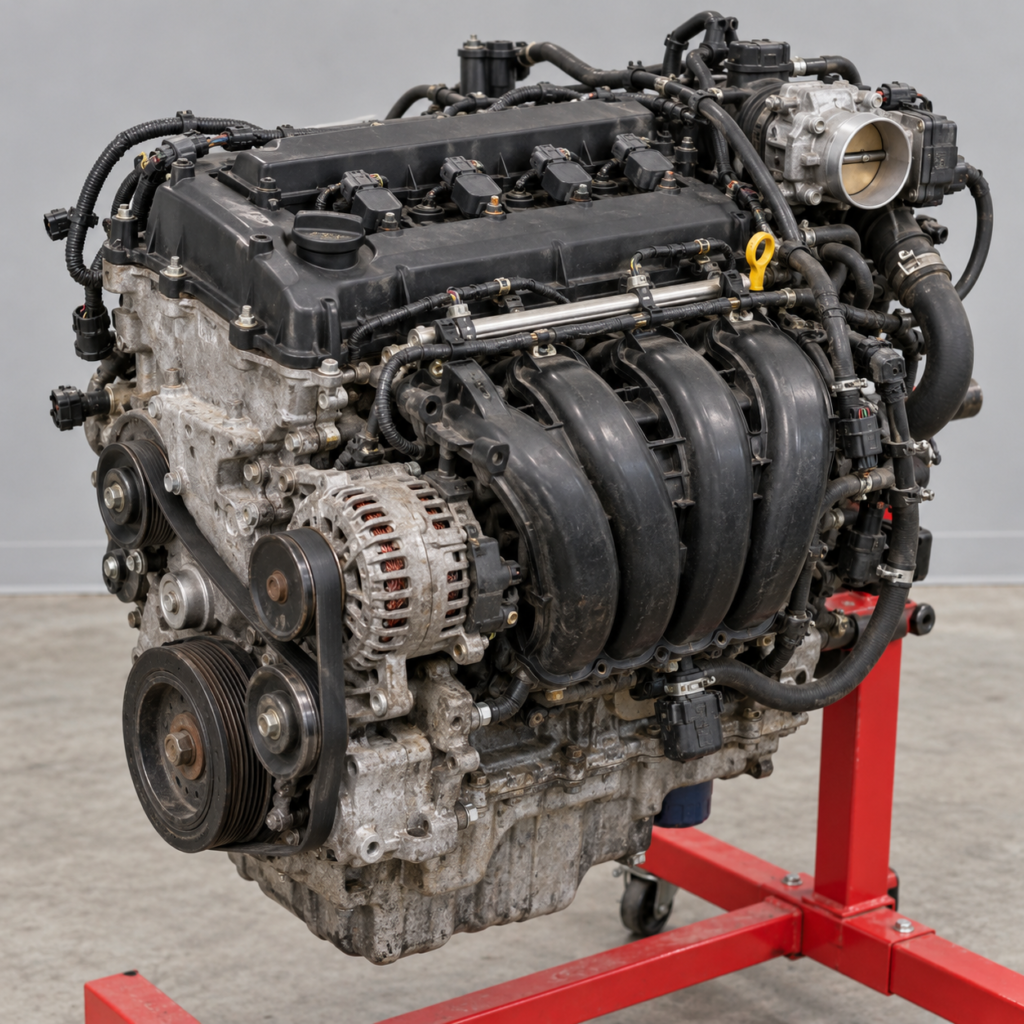
To find a suitable replacement, compare reputable used-engine suppliers and automotive recyclers. Always confirm the engine code against your vehicle identification number (VIN) and request a written quotation covering the engine, shipping, warranty, and any additional components.
Introduction
When your 2017 Dodge Journey develops a serious engine problem, finding a suitable replacement becomes an important decision. Engine failure can result from overheating, inadequate lubrication, internal component wear, or other mechanical problems. Depending on the extent of the damage, replacing the original engine may be more economical than rebuilding it.
The 2.4L four-cylinder engine is one of the powertrain options available for the 2017 Dodge Journey. It is designed for everyday transportation, offering practical performance for commuting, family trips, and routine driving.
Choosing a used engine can help control repair expenses, but the quality of the replacement matters. An engine with unknown history or incorrect specifications may lead to additional repair costs.
This guide explains everything you should know about purchasing a 2017 Dodge Journey used engine 2.4L, including specifications, benefits, compatibility, pricing factors, installation requirements, warranty considerations, and frequently asked questions.
What Are the Specifications of the 2017 Dodge Journey 2.4L Engine?
The 2017 Dodge Journey was available with different engine options depending on the trim level and market. In North America, the 2.4L four-cylinder gasoline engine was commonly offered in entry-level configurations.
Engine Specifications
| Specification | Details |
|---|---|
| Vehicle | 2017 Dodge Journey |
| Engine displacement | 2.4 liters (approximately 2,360 cc) |
| Engine configuration | Inline four-cylinder |
| Fuel type | Gasoline |
| Valve configuration | DOHC, 16 valves |
| Horsepower | Approximately 173 hp |
| Torque | Approximately 166 lb-ft |
| Transmission | Four-speed automatic in the North American 2.4L configuration |
| Drivetrain | Front-wheel drive in the common North American 2.4L configuration |
These specifications describe the commonly available North American version. Vehicle configurations can differ by market, so verify the original engine code, transmission, and drivetrain before ordering a replacement.
The 2.4L engine provides practical everyday performance. It differs from the 3.6L V6 engine also offered in the 2017 Dodge Journey, so buyers should never assume the two engines are interchangeable.
Why Choose a Used 2017 Dodge Journey 2.4L Engine?
Purchasing a used engine can be a sensible option when the original engine has extensive internal damage and the rest of the vehicle remains in good condition.
1. Save on Initial Replacement Costs
A used engine generally costs less upfront than a new engine and may be more affordable than a remanufactured unit.
For owners who want to keep their existing Dodge Journey, purchasing a suitable used engine may provide a more manageable repair budget. However, the purchase price alone does not determine the final cost.
Shipping, labor, fluids, filters, seals, and additional components should all be included when comparing replacement options.
2. Extend the Useful Life of Your SUV
If your Dodge Journey has a healthy transmission, functional electrical systems, and a structurally sound body, replacing the engine may allow you to continue using the vehicle.
A properly matched engine installed by a qualified technician can restore normal operation and help you avoid replacing the entire vehicle.
Before proceeding, have a mechanic inspect the SUV’s overall condition and compare the estimated repair cost with its current market value.
3. Benefit From Existing Engine Inventory
Automotive recyclers and used-engine suppliers may have compatible engines available from donor vehicles.
When the correct unit is in stock, sourcing it may be faster than arranging an extensive engine rebuild. However, availability and delivery times vary, so obtain confirmation before making payment.
4. Compare Multiple Replacement Options
Used engines are available in different mileage ranges, condition categories, and warranty arrangements. This allows buyers to compare several options according to their budget and requirements.
An engine with documented mileage and inspection results may provide greater confidence than a cheaper unit with limited history.
What Are the Common Signs That Your Dodge Journey Needs an Engine Replacement?
Not every engine problem requires complete replacement. A professional diagnosis should determine whether the original engine can be repaired or whether installing another engine is more economical.
Excessive Oil Consumption
Frequent oil loss may result from leaks, worn internal components, or other mechanical issues. If oil levels become too low, the engine can suffer serious internal damage.
A mechanic should identify the cause before recommending replacement.
Engine Knocking or Metallic Noises
Persistent knocking or heavy metallic sounds may indicate internal wear or lubrication problems. Severe internal damage can make rebuilding the original engine expensive.
Stop driving if you suspect serious internal damage, especially if the oil-pressure warning light appears.
Repeated Overheating
Overheating may result from coolant leaks, radiator problems, a faulty thermostat, or water-pump issues.
Repeated overheating can damage the cylinder head, head gasket, and other engine components. The underlying cooling-system fault should be corrected before installing a replacement engine.
Low Compression
Poor compression can result from damaged valves, worn piston rings, or cylinder damage. Compression and leak-down testing can help identify the cause.
If the required repairs are extensive, a suitable used engine may be a practical alternative.
Severe Internal Damage
Major mechanical failure caused by inadequate lubrication, overheating, or broken internal components can make the original engine uneconomical to repair.
Compare the cost of rebuilding the existing engine with the complete cost of purchasing and installing a replacement.
How to Choose the Right 2017 Dodge Journey Used Engine 2.4L
Selecting the correct engine is essential for avoiding compatibility issues and unnecessary expenses.
Verify the VIN and Engine Code
Provide your vehicle identification number to the supplier or a qualified automotive parts specialist. Ask them to verify the replacement engine code and confirm that it matches your original configuration.
Model year and displacement alone are not sufficient to guarantee compatibility. Sensors, wiring, emissions equipment, and other components can vary.
Check Engine Mileage
Ask for the donor vehicle’s recorded mileage and any available maintenance records. If possible, find out why the donor vehicle was dismantled.
Mileage can provide useful information, but it does not guarantee mechanical condition. Maintenance history and inspection results are equally important.
Request Inspection Results
Before purchasing, ask whether the engine has undergone a visual inspection, compression testing, leak-down testing, or other appropriate checks.
Request clear photographs of the actual engine and ask about visible damage, oil or coolant contamination, and any known mechanical issues.
If testing has not been completed, understand what the supplier can guarantee and what warranty protection is available.
Confirm Included Components
Used engines may be supplied as long blocks or more complete assemblies. The included components depend on the supplier.
Ask whether accessories, sensors, intake components, wiring, and other parts are included or must be purchased separately.
A clear list of included components helps prevent unexpected expenses during installation.
How Much Does a 2017 Dodge Journey Used Engine 2.4L Cost?
The price of a used 2017 Dodge Journey 2.4L engine varies according to mileage, mechanical condition, testing, availability, warranty coverage, and shipping distance.
Because inventory and prices change, contact suppliers for current quotations rather than relying on an unverified online estimate.
When comparing offers, consider the following costs:
- Engine purchase price.
- Shipping and delivery charges.
- Applicable taxes and import duties.
- Installation labor.
- Engine oil, coolant, filters, and seals.
- Additional components required for installation.
- Possible return-shipping costs and warranty exclusions.
A low advertised price may not provide the best overall value if the engine has limited documentation or restrictive warranty terms.
Request an itemized quotation and compare the total installed cost before deciding.
Where Can You Buy a 2017 Dodge Journey Used Engine 2.4L?
Potential sources include automotive salvage yards, vehicle recyclers, used-engine suppliers, and specialist replacement-engine retailers.
When evaluating a seller, look for clear business information, accurate inventory descriptions, transparent warranty terms, and a documented process for handling defective or incorrectly supplied parts.
Before ordering, confirm:
- The replacement engine matches your VIN and original engine configuration.
- Mileage and condition information are provided where available.
- The engine has undergone appropriate inspection.
- The quotation clearly states which components are included.
- Shipping costs and delivery estimates are confirmed.
- Warranty and return conditions are provided in writing.
Read independent customer reviews and investigate unresolved complaints rather than relying solely on seller testimonials.
Buying From an Online Engine Supplier
Online suppliers can help buyers compare inventory without visiting multiple salvage yards. However, purchasing remotely requires additional checks.
Ask for photographs of the actual engine, the donor vehicle’s details where available, a written warranty, and a complete quotation. Confirm the payment terms and how the supplier handles shipping damage or compatibility problems.
If you are buying internationally, verify import regulations, customs charges, required documentation, and local vehicle-registration requirements before ordering.
Used vs. Rebuilt vs. Remanufactured Engine
Understanding the differences between replacement options can help you choose the right solution.
| Replacement type | Main advantage | Important consideration |
|---|---|---|
| Used engine | Usually lower upfront cost | History and remaining service life may be uncertain |
| Rebuilt engine | Worn or damaged components are repaired or replaced as needed | The extent and quality of rebuilding vary |
| Remanufactured engine | Typically undergoes a more extensive, defined rebuilding process | Initial purchase price may be higher |
A used engine can be a reasonable option when its condition is documented and the price reflects the remaining uncertainty. A rebuilt or remanufactured engine may be more suitable when extensive inspection and component replacement are priorities.
Compare the work performed, testing procedures, warranty coverage, and total installed cost instead of choosing based solely on price.
Installation Tips for a 2017 Dodge Journey 2.4L Engine
Professional installation is essential for a successful engine replacement.
Inspect the Vehicle Before Installation
Determine why the original engine failed. If a cooling-system problem or lubrication issue caused the damage, leaving it unresolved could harm the replacement engine.
Have the technician inspect the cooling system, engine mounts, electrical connections, and related components.
Replace Necessary Wear Items
Depending on the replacement engine’s condition, the technician may recommend replacing certain seals, gaskets, filters, and other service items.
Follow the manufacturer’s service information and replace components based on their condition and maintenance requirements.
Use the Correct Fluids
Use engine oil, coolant, and other fluids that meet the vehicle’s specifications. Incorrect fluids or improper servicing can affect engine performance and durability.
The cooling system should be filled and bled correctly, and the engine should be checked for leaks.
Check Electrical Connections and Sensors
Modern engine-management systems depend on compatible sensors, wiring, and electronic components.
The installer should verify all connections, scan the vehicle for diagnostic trouble codes, and confirm normal engine operation after installation.
Complete Post-Installation Testing
After installation, check oil pressure, coolant temperature, charging operation, unusual noises, and fluid leaks.
A suitable road test and follow-up inspection can help identify issues early. Keep installation invoices and service records for future maintenance and warranty claims.
What Warranty Should You Expect When Buying a Used Engine?
Warranty coverage varies among suppliers. Request the full written terms before making payment.
Important questions include:
- How long does the warranty last?
- Which internal engine components are covered?
- Are overheating and lubrication-related failures excluded?
- Is professional installation required?
- Does the warranty cover labor or only the replacement engine?
- Is prior authorization required before repairs or returns?
- Who pays return-shipping expenses?
- Does the supplier offer a replacement, repair, or refund?
Keep the purchase invoice, engine identification details, shipping records, inspection reports, and installation documentation.
Never assume that a parts warranty automatically covers the labor needed to remove and replace a failed engine. Confirm the exact coverage in writing.
Frequently Asked Questions About the 2017 Dodge Journey Used Engine 2.4L
1. How much horsepower does the 2017 Dodge Journey 2.4L engine produce?
The North American 2017 Dodge Journey 2.4L four-cylinder gasoline engine produces approximately 173 horsepower and 166 lb-ft of torque. Specifications can vary by market and configuration.
2. Is a used 2017 Dodge Journey 2.4L engine worth buying?
Yes, it can be a practical replacement if the engine is compatible, adequately inspected, reasonably priced, and backed by suitable warranty terms. Compare the total installed cost with rebuilding the original engine.
3. How do I know if a used Dodge Journey engine will fit my vehicle?
Provide your VIN and original engine information to the supplier. Confirm the engine code, transmission compatibility, electrical connections, and emissions-related equipment before purchasing.
4. How much does a 2017 Dodge Journey used engine 2.4L cost?
Pricing depends on mileage, condition, availability, testing, warranty, and shipping. Request a current, itemized quotation that includes delivery and any additional components required for installation.
5. How long can a used Dodge Journey engine last?
There is no guaranteed remaining lifespan for a used engine. Its service life depends on maintenance history, prior operating conditions, current mechanical condition, installation quality, and ongoing maintenance.
6. Does the 2017 Dodge Journey have other engine options?
Yes. The North American 2017 Dodge Journey was also available with a 3.6L V6 engine, depending on trim and configuration. The V6 and 2.4L engines have different specifications and should not be assumed interchangeable.
7. Should I buy a used, rebuilt, or remanufactured engine?
The best option depends on your budget, repair requirements, and expectations for warranty coverage. A used engine may have a lower upfront cost, while rebuilt and remanufactured engines may involve more extensive inspection and component replacement.
8. What should I check before buying a used engine online?
Verify the VIN compatibility, engine code, mileage, available inspection results, included components, warranty, shipping costs, and return policy. Ask for photographs of the actual engine and written confirmation of the seller’s terms.
9. Can I install a used 2.4L Dodge Journey engine myself?
Engine replacement requires appropriate tools, lifting equipment, mechanical knowledge, and vehicle-specific procedures. Professional installation is recommended unless you have the necessary experience and workshop facilities.
10. What causes a Dodge Journey 2.4L engine to fail?
Potential causes include inadequate lubrication, overheating, internal wear, and mechanical component failure. A qualified technician should diagnose the specific problem before recommending replacement.
Conclusion
A 2017 Dodge Journey used engine 2.4L can be a cost-effective option for owners who want to restore their SUV without purchasing another vehicle. The right replacement should match the original engine configuration, have a documented condition, and come with clear warranty and shipping terms.
Before placing an order, verify the VIN and engine code, review available mileage and inspection records, and compare the total purchase and installation cost. Professional installation and regular maintenance are equally important for dependable operation.
By researching suppliers carefully and prioritizing compatibility and documented condition over price alone, you can make a more informed decision when replacing your Dodge Journey engine.
Ready to find a replacement? Contact a reputable used-engine supplier to inquire about availability and request a written quotation for your 2017 Dodge Journey 2.4L.