When buying used engines, the most important document you’ll ever receive—aside from your receipt—is the engine inspection report. This detailed report acts like a medical record for the engine you’re purchasing. It reveals the engine’s true condition, potential issues, previous repairs, and whether it’s a safe and worthwhile investment.
At USA Auto Parts LLC, we provide inspection reports with all eligible used engines we supply. But many customers—especially first-time buyers—are unsure how to interpret these reports. What do all the numbers, codes, and remarks mean? What should you look for? And most importantly, what are the deal-breakers?
This comprehensive guide walks you through how to read and understand an engine inspection report step-by-step. By the end, you’ll know exactly how to verify quality and make confident buying decisions.
1. What Is an Engine Inspection Report?
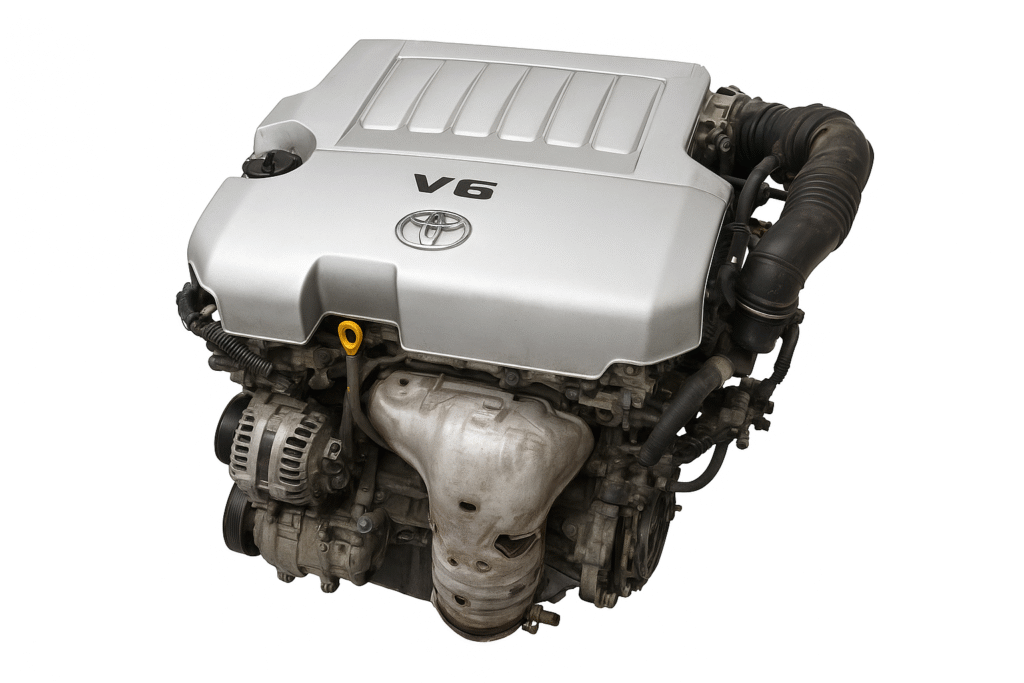
An used engine inspection report is a technical document prepared after a trained mechanic or quality-control technician examines a used engine. The report outlines:
-
The physical condition of the engine
-
Any damage, leaks, or worn components
-
Compression readings
-
The condition of internal parts (where visible)
-
Mileage verification
-
Oil test results if available
-
Any signs of overheating or improper maintenance
-
Compatibility details
-
Recommended repairs or replacements
At USA Auto Parts LLC, each report is created through a standardized evaluation process to ensure accuracy and transparency.
Essentially, this report tells you whether the engine is in good working condition—or whether it’s hiding major problems.
2. Why an Engine Inspection Report Matters When Buying Used Engines
Purchasing used engines can save you thousands of dollars, but only if you know what you’re buying. Without an inspection report, you’re taking a risk that could result in:
-
Engine failure shortly after installation
-
Hidden internal damage
-
Incorrect part fitment
-
Wasted money on repairs
-
Voided warranty
A thorough inspection report:
-
Protects your investment
-
Helps you compare engines from different suppliers
-
Gives you confidence in the engine’s condition
-
Ensures transparency
-
Helps mechanics install the unit correctly
USA Auto Parts LLC strongly recommends reviewing your inspection report in detail before completing your purchase.
3. Key Sections of a Typical Engine Inspection Report
Although different suppliers may use different formats, most inspection reports contain similar sections. Below is a breakdown of the most common ones—and what each section means.
A. Basic Engine Information
This section verifies the engine’s identity and compatibility.
It usually includes:
-
Engine code
-
VIN (Vehicle Identification Number)
-
Model year
-
Make and model compatibility
-
Fuel type (gas/diesel)
-
Displacement (2.0L, 3.5L, etc.)
-
Mileage (original or estimated)
Why it matters:
This confirms whether the engine matches your vehicle’s exact requirements. Even small differences—like engine code variations—may cause installation or performance issues.
At USA Auto Parts LLC, our compatibility guarantee ensures we match your engine accurately using your VIN.
B. Visual Inspection Checklist
Technicians visually inspect the engine exterior without opening it. They look for:
-
Cracks
-
Rust
-
Broken mounts
-
Damaged wiring
-
Oil filter condition
-
Exhaust leakage signs
-
Coolant stains
-
Missing parts
Common remarks you may see:
-
“No visible cracks”
-
“Minor oxidation present”
-
“Oil seepage around valve cover”
-
“Accessory components removed”
Deal-breakers:
-
Visible cracks in the block
-
Severe corrosion
-
Missing major components like manifolds or sensors
C. Compression Test Results
This is one of the most important sections of the report.
Compression readings show how well each cylinder seals and how efficiently the engine can burn fuel.
A typical inline-4 engine report may look like:
-
Cylinder 1: 190 psi
-
Cylinder 2: 185 psi
-
Cylinder 3: 188 psi
-
Cylinder 4: 187 psi
Ideal conditions:
-
All cylinders are within 10% of each other
-
Readings match manufacturer’s recommended range
Warning signs:
-
A cylinder that’s significantly lower than the others
-
More than a 15% variance
-
Zero compression (indicates internal failure)
USA Auto Parts LLC only sells used engines that demonstrate healthy compression across all cylinders.
D. Oil Condition and Internal Contamination
Some reports include an oil inspection:
-
Color (golden, dark, black, milky)
-
Metal shavings
-
Coolant contamination
-
Burnt smell
What the results mean:
-
Clean oil → engine was maintained well
-
Black oil → overdue oil change, but not always a problem
-
Milky oil → coolant and oil mixing, often due to head gasket failure
-
Metal shavings → dangerous internal wear
Deal-breaker:
Milky oil or metal shavings, unless you’re buying it as a core engine for rebuilding.
E. Leak Check
Technicians check for:
-
Oil leaks
-
Coolant leaks
-
Fuel leaks
-
Power-steering fluid leaks
Remarks may include:
-
“Minor seepage from oil pan”
-
“No active leaks detected”
-
“Possible head gasket seepage”
A small amount of seepage is normal in used engines, but active leaks indicate repair needs.
F. Engine Start-Up Test (if performed)
Some suppliers run engines before removal or test them in-house. Results may include:
-
Start-up success
-
Idle smoothness
-
Exhaust smoke color
-
Engine noise (knocking, ticking, rattling)
What the colors mean:
-
Blue smoke → burning oil
-
White smoke → coolant burning
-
Black smoke → rich fuel mixture
At USA Auto Parts LLC, engines undergo a start-test whenever possible.
G. Overheating Indicators
Engines that have been overheated often fail early.
Technicians check:
-
Burn marks
-
Warped head surfaces
-
Discolored oil
-
Cracked head gasket area
If the report mentions overheating damage, you should avoid that engine.
H. Accessories and Included Components
The report lists:
-
What’s included (intake, exhaust, coils, injectors)
-
What’s not included (starter, alternator, AC compressor)
-
Condition of external components
USA Auto Parts LLC lists all included accessories clearly so you know exactly what you’re getting.
4. How to Spot Red Flags in an Engine Inspection Report
Here are some common warning signs:
1. Missing Mileage Information
If mileage is “unknown,” ask for clarification. Mileage affects engine lifespan.
2. Large Compression Variations
More than 15% difference between cylinders is a serious issue.
3. Oil Contamination
Milky, foamy, or metal-filled oil signals major internal problems.
4. Evidence of Overheating
Warped components or burnt oil smell = avoid.
5. Incomplete Report
A vague or poorly written report is a red flag about the seller—not just the engine.
USA Auto Parts LLC provides complete, transparent reports for your assurance.
5. How USA Auto Parts LLC Prepares Engine Inspection Reports
Our inspection process includes:
Step 1: Compatibility Verification
We match the engine to your vehicle using VIN, engine code, and production date.
Step 2: Visual Examination
We check for cracks, leaks, corrosion, and missing parts.
Step 3: Compression Testing
Each cylinder is tested with digital tools.
Step 4: Oil Examination
We check oil for contamination and assess internal wear.
Step 5: Leak and Pressure Testing
We test seals and gaskets.
Step 6: Accessory Validation
We document included components clearly.
Step 7: Report Creation
The final report provides a detailed overview, ensuring transparency and confidence.
6. What to Do If You’re Unsure About the Report
If something seems unclear, consider the following steps:
-
Ask the supplier for clarification
-
Share the report with your mechanic
-
Compare with another engine’s report
-
Ask for additional photos or videos
-
Request a start-up video
At USA Auto Parts LLC, we happily assist customers in understanding their reports.
7. Why Choosing a Reliable Seller Matters
The quality of the inspection report is only as good as the seller’s honesty.
A trustworthy seller:
-
Uses certified technicians
-
Offers warranty
-
Documents condition accurately
-
Provides genuine photos
-
Matches parts correctly using VIN
-
Responds quickly to customer concerns
This is why USA Auto Parts LLC is preferred by customers seeking dependable used engines at fair prices.
For high-quality used engines backed by professional inspection reports and reliable customer support, you can contact USA Auto Parts LLC directly. Visit our website at www.usaautopartsllc.com, email us at billing@usaautopartsllc.com, or speak with our support team at +1 (800) 889-9651. Our team is always ready to help you find the right engine for your vehicle and ensure a smooth, trustworthy buying experience.
Conclusion
Understanding an engine inspection report is crucial when buying used engines. It helps you verify the engine’s condition, avoid hidden problems, compare options, and make an informed purchasing decision.
A reliable inspection report should include:
-
Complete engine details
-
Compression results
-
Oil analysis
-
Leak detection
-
Visual inspection
-
Accessory list
-
Notes on internal condition
At USA Auto Parts LLC, we prioritize transparency and quality. Every used engine we offer goes through a structured inspection process, providing you with a clear and reliable report to ensure confidence in your purchase.
If you’re looking for high-quality used engines backed by proper inspection and warranty, USA Auto Parts LLC is here to help.