Buying a used engine can be one of the smartest financial decisions a vehicle owner can make. Brand-new engines can easily cost anywhere from $4,000 to $10,000—sometimes more depending on the make and model of your vehicle. But a good-quality used engine? It can deliver years of dependable performance at a fraction of the price.
Still, many people hesitate because they worry about getting a “bad engine.” And that fear makes sense. The internet is full of listings, private sellers, and salvage yards that may or may not be trustworthy. Without the right knowledge, it’s hard to know which engine has been well cared for and which one is a ticking time bomb.
This guide breaks everything down in a simple, human, practical way. By the end, you’ll know how to confidently identify a reliable used engine—and avoid the costly mistakes that many buyers make.
1. Understand Why Buying a Used Engine Is a Smart Move
Before getting into the technical details, it helps to understand why a used engine might be a better choice than a new or rebuilt one.
Benefits of Used Engines:
-
Huge cost savings
-
OEM quality (original parts, no aftermarket replacements)
-
Often lower mileage than people expect
-
More environmentally friendly (recycling engines reduces waste)
-
Faster availability compared to ordering new engines
Used engines often come from vehicles that were totaled due to body damage—even though their drivetrain was perfectly fine.
But the key is making sure the used engine you buy is reliable. That’s where the checklist below matters.
2. Mileage Matters — But It’s Not Everything
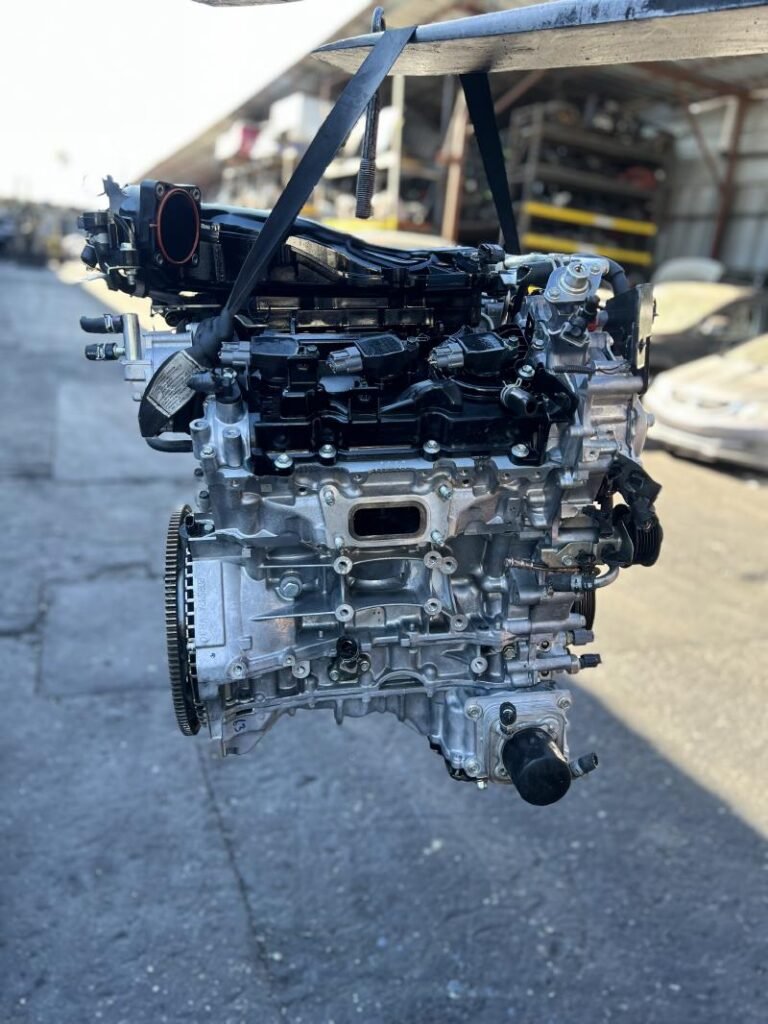
Mileage is one of the first things buyers ask about when shopping for Used Engines, and for good reason. The more miles on an engine, the more wear it has experienced.
General mileage guidelines:
-
0–60,000 miles: Excellent
-
60,000–100,000 miles: Still very good
-
100,000–150,000 miles: Acceptable with a strong service history
-
150,000+ miles: Only worth considering if well maintained
But here’s the truth more people need to understand:
A well-maintained, higher-mileage engine can be better than a poorly maintained low-mileage one.
For example:
A 40,000-mile engine with long gaps between oil changes can have more damage than a 120,000-mile engine with oil changes every 3,000–5,000 miles.
Tip: Always look beyond mileage and ask for maintenance history when possible.
3. Ask for the Engine’s Complete History
A reliable used engine seller should provide as much history as possible. It helps you understand how the engine lived before you buy it.
These are the most important details to request:
✔ VIN of the donor vehicle
This allows you to verify year, make, model, engine type, and any recalls.
✔ Vehicle accident history
Many engines come from vehicles totaled due to side or rear impact—leaving drivetrain components untouched and in excellent shape.
✔ Service records (if available)
Regularly serviced engines tend to be significantly healthier.
✔ Why the car was scrapped
Flood damage? Mechanical failure? Accident?
This matters a lot.
✔ Whether the engine was test-run
Some sellers run engines before pulling them. This is a major sign of reliability.
A professional provider like USA Auto Parts LLC offers transparency by giving as much engine background as possible—because honest information builds trust.
4. Look for Compression Test Results
If you can only check ONE thing about a used engine, compression test results should be at the top of your list. They tell you exactly what shape the engine’s internal components are in.
What is a compression test?
It measures how much pressure each cylinder can produce. Low or uneven compression can indicate worn piston rings, bad valves, or head gasket issues.
Healthy compression should be:
-
Consistent across all cylinders
-
Within the manufacturer’s recommended range
Red flags:
-
Large differences between cylinders
-
Very low pressure
-
Seller refuses to provide results
Many reputable suppliers—including USA Auto Parts LLC—test engines or provide results from their trusted partners.
5. Inspect the Engine for Visible Wear or Damage
Even if you can’t see the engine in person, ask for pictures or a video. A visual inspection can reveal a lot.
Things to look for:
-
Cracks on the engine block
-
Fresh or old oil leaks
-
Corroded or broken sensors
-
Bent or damaged components
-
Burnt wiring
-
Rust around the oil pan or valve cover
A clean, intact engine usually indicates proper care.
A dirty, oily, or damaged engine might still work—but it shows signs of neglect or rough use.
6. Check Oil and Coolant Condition (If Possible)
Fluids tell the truth about engine health more than anything.
Oil inspection:
-
Milky oil → coolant in oil (blown head gasket)
-
Metal shavings → internal engine wear
-
Black sludge → poor maintenance
Coolant inspection:
-
Rust-colored coolant → corrosion
-
Oil floating in coolant → major internal issues
-
Very low coolant → possible overheating history
This may not always be possible if you’re buying online, but trustworthy sellers share this information if requested.
7. Confirm the Engine Code and Compatibility
Thousands of buyers every year purchase the wrong engine simply because they skip compatibility checks. Engines are not universal—even between models of the same year.
You must verify:
-
Engine code
-
VIN match
-
ECU compatibility
-
Transmission compatibility
-
Drive type (2WD / AWD / 4WD)
-
Turbo vs non-turbo
-
Hybrid vs non-hybrid components
One mismatch can mean your engine won’t fit or won’t run correctly.
Reliable companies like USA Auto Parts LLC do compatibility checks for you—removing the risk completely.
8. Ask About Warranty — A Major Sign of Confidence
One of the strongest indicators of a reliable used engine is the warranty that comes with it.
Typical warranties include:
-
30 days
-
90 days
-
6 months
-
1 year or more
The longer the warranty, the more confidence the seller has in the engine.
Be cautious of sellers who offer:
“As-is, no warranty.”
That usually means they don’t trust the engine enough to stand behind it.
USA Auto Parts LLC provides warranty options because they test parts, verify condition, and ensure customers receive engines they can rely on.
9. Pay Attention to How the Seller Communicates
This is something most technical guides ignore, but it’s huge.
A reliable seller will:
-
Answer your questions patiently
-
Provide documentation
-
Give clear pricing
-
Explain testing procedures
-
Avoid pressure tactics
-
Be transparent about the engine’s condition
A bad seller will:
-
Rush you into buying
-
Be vague or evasive
-
Refuse to share history
-
Offer inconsistent information
-
Not provide any physical or test evidence
Trust your instincts.
If someone sounds shady, the engine probably is too.
10. Read Customer Reviews and Ask for Referrals
Reviews are one of the most powerful tools you have.
Check:
-
Google reviews
-
Facebook reviews
-
Website testimonials
-
Mechanic recommendations
Ask yourself:
-
Are there consistent complaints?
-
Do customers mention good communication?
-
Are refunds or warranties honored?
-
Do people mention engine reliability?
Companies with hundreds or thousands of positive reviews—like USA Auto Parts LLC—have likely earned their reputation through quality and service.
11. Understand the Difference Between Used, Rebuilt & Remanufactured Engines
To make the best decision, you should know what each term actually means.
Used Engine
A complete engine pulled from a running vehicle. Often original OEM quality.
Rebuilt Engine
Only broken components are replaced; other worn parts may remain.
Remanufactured Engine
Restored to “like-new” condition using new internal components.
Used engines are most cost-effective and often the best value, especially when purchased from reputable suppliers that test and verify them.
12. Check for Recalls or Known Issues
Certain engines have known factory problems. Before buying, search for:
-
Recalls
-
Common failure points
-
Service bulletins
If the engine you’re buying is from a model year known for problems (e.g., some Nissan, Ford, or Chrysler engines), make sure those issues were fixed.
A trustworthy seller will disclose common issues and solutions.
13. Look for Low-Mileage Import Engines (If Available)
Some engines—especially Japanese and certain American models—are available as low-mileage imports from regions with strict driving laws, like Japan.
These engines are:
-
Well-maintained
-
Low-mileage
-
High quality
Not all U.S. suppliers offer these, but companies like USA Auto Parts LLC often have access to broader networks.
14. Consider Buying From a Professional Used Engine Supplier
Instead of private sellers or random junkyards, buying from a professional used engine supplier offers many advantages:
Professional suppliers provide:
-
Testing
-
Warranty
-
Accurate compatibility checks
-
Verified mileage
-
Customer support
-
Reliable shipping
-
Clear return policies
USA Auto Parts LLC is known for:
-
Low-mileage OEM engines
-
Strict quality control
-
Guaranteed compatibility
-
Fair pricing
-
Nationwide shipping
This gives you a buying experience that’s safe, smooth, and transparent.
15. Look for Signs of Flood Damage—A Major Red Flag
Flood-damaged engines often look fine but are unusable inside.
Signs include:
-
Mud or silt in crevices
-
Rust on internal components
-
Water lines on parts
-
Corrosion on electronics
If you suspect flood damage, walk away immediately.
Final Thoughts: Reliable Used Engines Are Out There — You Just Need to Know What to Look For
Buying a used engine doesn’t have to feel like a gamble. When you know exactly what to check—mileage, history, compression, oil condition, warranty, and compatibility—you can confidently choose an engine that will last for years.
Remember:
A reliable engine isn’t just about price.
It’s about transparency, testing, and trust.
That’s why so many customers choose USA Auto Parts LLC. Their engines are tested, verified, backed by warranty, and supported by real customer service—which means you get a reliable product without the stress or risk.