Buying a rebuilt engine online can save money
Buying a rebuilt engine online can be one of the smartest ways to extend the life of your vehicle without spending the massive cost of a brand-new powertrain. Whether your engine failed due to overheating, oil starvation, mechanical breakdown, or simple wear over time, a rebuilt engine offers a second chance at strong performance at a fraction of the price.
But there’s a catch.
The online used-engine industry is filled with a mix of genuine suppliers, small resellers, risky brokers, and scam operations. Engines are high-value products, and because customers cannot inspect them before delivery, dishonest sellers often take advantage. That is why approaching the purchase with a clear checklist dramatically increases your chances of getting a reliable rebuilt engine instead of a costly disappointment.
This guide provides a practical, easy-to-follow checklist to help you buy a trusted rebuilt engine online—safely, confidently, and with minimal risk.
1. Begin With Research: Know What a Rebuilt Engine Really Means
Before choosing a seller, you should clearly understand the product you are buying.
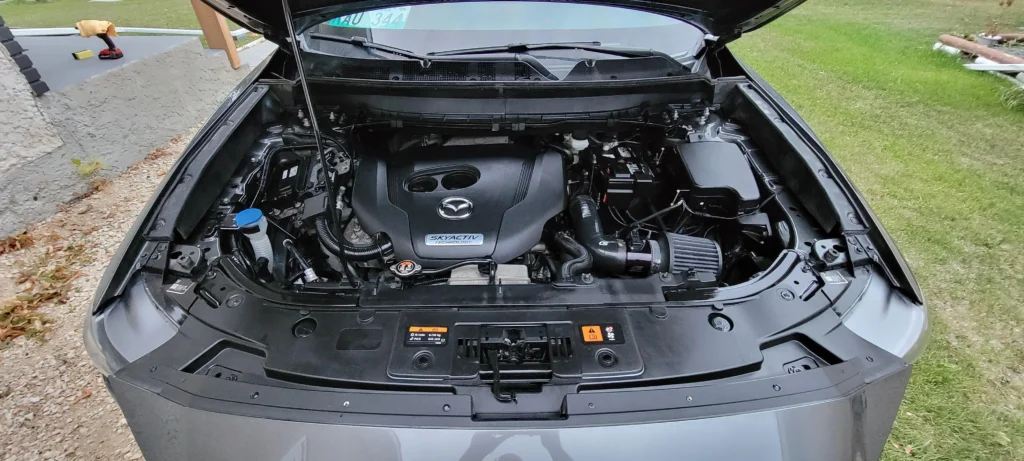
A rebuilt engine is not simply cleaned or patched. It is an engine that has been disassembled, inspected, machined, repaired, and reassembled using new or reconditioned components. A proper rebuild includes:
-
Cylinder head reconditioning
-
Honing or boring of cylinders
-
New piston rings and bearings
-
Replacement of gaskets and seals
-
Valve work
-
Timing components review or replacement
-
Oil pump inspection
-
Testing for compression and oil pressure
However, not all sellers follow these standards. Some call an engine “rebuilt” just because they cleaned it, replaced a gasket, or painted the exterior. That’s why understanding the terminology is critical before you shop.
2. Check the Seller’s Online Reputation
The most important step in buying a rebuilt engine online is researching the seller.
✔ Look for independent reviews
Avoid relying only on testimonials displayed on the company website. Instead, check:
-
Google reviews
-
Trustpilot
-
BBB (Better Business Bureau)
-
Automotive forums
-
Social media comments
-
Marketplace ratings (if they sell on eBay, OfferUp, Facebook Marketplace, etc.)
Look for patterns such as:
-
Engines never delivered
-
Refunds refused
-
Wrong engines shipped
-
Warranty claims denied
-
Poor communication
-
Unrealistic promises
One or two negative reviews can happen with any business—but repeated complaints about the same issue are a strong warning sign.
✔ Search the company name plus “scam,” “complaints,” or “reviews”
Many buyers share their experiences online. A quick search can reveal red flags others have already discovered.
3. Verify Engine Compatibility (This Step Saves You Money & Stress)
One of the biggest issues in the used-engine market is incorrect fitment. Even the smallest mismatch—such as a different sensor configuration, ECU type, or intake layout—can make an engine incompatible with your vehicle.
Before purchasing, gather the following information from your car:
-
VIN (Vehicle Identification Number)
-
Engine code
-
Model year and month
-
Fuel type
-
Transmission type (auto/manual)
-
Emissions standard (important for international buyers)
Then ask the seller:
-
Is the engine fully compatible with this VIN?
-
Does it match the exact engine code?
-
Are accessories included or not (alternator, starter, AC compressor, turbo, etc.)?
-
Are sensors, wiring, manifolds, or mounts different?
If the seller cannot confidently answer basic compatibility questions, walk away.
4. Ask for Real Photos, Videos & Documentation
A trustworthy engine seller will always provide proof of the actual engine before shipping.
Request:
✔ Actual photos
Not stock images—not pictures pulled from Google.
You should see:
-
Serial numbers
-
Mounting points
-
Cylinder head condition
-
Oil pan area
-
Exhaust and intake ports
-
Overall cleanliness
-
Engine code stamping
✔ Running video (if possible)
Some suppliers will show the engine running before removal. This is the best type of verification you can get.
✔ Compression test results
A healthy rebuilt engine should show strong, uniform compression numbers across all cylinders.
✔ Rebuild documentation
Ask for:
-
List of replaced internal components
-
Machining details
-
Rebuild date
-
Technician or shop information
If the seller cannot provide any documentation, be cautious.
5. Understand the Warranty Clearly
Rebuilt engines often come with warranties ranging from 6 months to 3 years. But a warranty means nothing unless the terms protect you.
Ask specifically:
-
Does the warranty cover parts and labor, or parts only?
-
Who pays for shipping costs if there is a warranty claim?
-
Does the warranty cover overheating damage?
-
Are there installation requirements, such as replacing timing components, radiators, or oil coolers?
-
Does the warranty require a certified mechanic’s installation?
-
Are there mileage limitations?
Read the fine print carefully. Some sellers use warranties as marketing bait but make the claim process nearly impossible.
6. Review the Return & Refund Policy
A transparent and customer-friendly seller will display a clear return policy.
Important questions:
-
If the engine arrives damaged, what happens?
-
How many days do you have to inspect the engine?
-
Are returns allowed for compatibility issues?
-
What are the restocking fees?
-
Does the company cover shipping on returns?
Never buy from a seller who offers no return policy.
7. Evaluate Shipping & Packaging Standards
Engines are heavy, delicate, and expensive to ship. Proper packaging is essential.
The seller should:
-
Strap the engine securely to a pallet
-
Use heavy-duty wrapping
-
Protect fragile components
-
Provide tracking information
-
Offer freight insurance
-
Explain transit times
Avoid sellers who simply say, “We will ship it soon,” without providing details.
Ask about shipping insurance
If the engine is lost or damaged and not insured, you may bear the full loss.
8. Consider Payment Safety
Never pay for a rebuilt engine using unsafe methods such as:
-
Direct bank deposits
-
CashApp
-
Venmo
-
Wire transfers
-
Cryptocurrency
-
“Friends and family” payment methods
These offer no buyer protection.
Use safer methods:
-
Credit card
-
PayPal goods & services
-
Escrow (best for expensive purchases)
A trusted company will always offer secure and traceable payment methods.
9. Inspect the Engine Immediately After Delivery
When the engine arrives:
-
Take clear photos and videos of the packaging before opening
-
Capture the condition of the engine from all angles
-
Check for damage, leaks, cracks, missing parts
-
Verify serial numbers
-
Compare to the photos the seller sent
-
Have a professional mechanic inspect it before installation
Once installed, some warranties become void if there is an issue caused by pre-existing damage.
10. Choose Sellers Who Value Transparency
A reputable rebuilt engine supplier will:
-
Share their physical address
-
Show their team or workshop
-
Provide clear customer support
-
Offer real documentation
-
Explain engine condition honestly
-
Communicate professionally
The more transparent the seller is, the safer your purchase becomes.
Final Thought
Buying a rebuilt engine online can save thousands of dollars and extend the life of your vehicle for years—but only if you choose a trustworthy supplier. When dealing with high-value, complex components like engines, rushing into a purchase is never worth the risk. Take your time, follow the checklist, verify every detail, and only move forward when the seller has demonstrated honesty, professionalism, and transparency.
A rebuilt engine can be a great investment—but only when purchased from the right company.
Company Details: USA Auto Parts LLC
Company Name: USA Auto Parts LLC
Website: usaautopartsllc.com
Phone: +1-800-889-9651
Email: billing@usaautopartsllc.com
Address: 370 Trussel Rd, Petal, MS 39465, USA