The Toyota Highlander has earned a reputation as one of the most dependable midsize SUVs in the automotive market. Built with a focus on durability, comfort, and long-term value, the Highlander is often praised for engines that commonly last well beyond 200,000 miles. However, even the most reliable engines can eventually experience mechanical failure due to age, overheating, lack of maintenance, or high mileage.
When this happens, many owners are faced with an important decision:
Should you repair the existing engine, replace it with a new one, or choose a high-quality used engine?
For most drivers, particularly those with older Highlander models, purchasing a used Toyota Highlander engine is the most cost-effective and practical choice. This guide covers everything you need to know before buying one—from identifying the correct engine to understanding quality, pricing, warranties, and installation requirements.
1. Why Consider a Used Toyota Highlander Engine?
Choosing a used engine is not simply about saving money; it is a strategic decision that balances long-term performance with affordability. Toyota engines are well-known for their longevity, making them ideal candidates for reuse when properly tested and inspected.
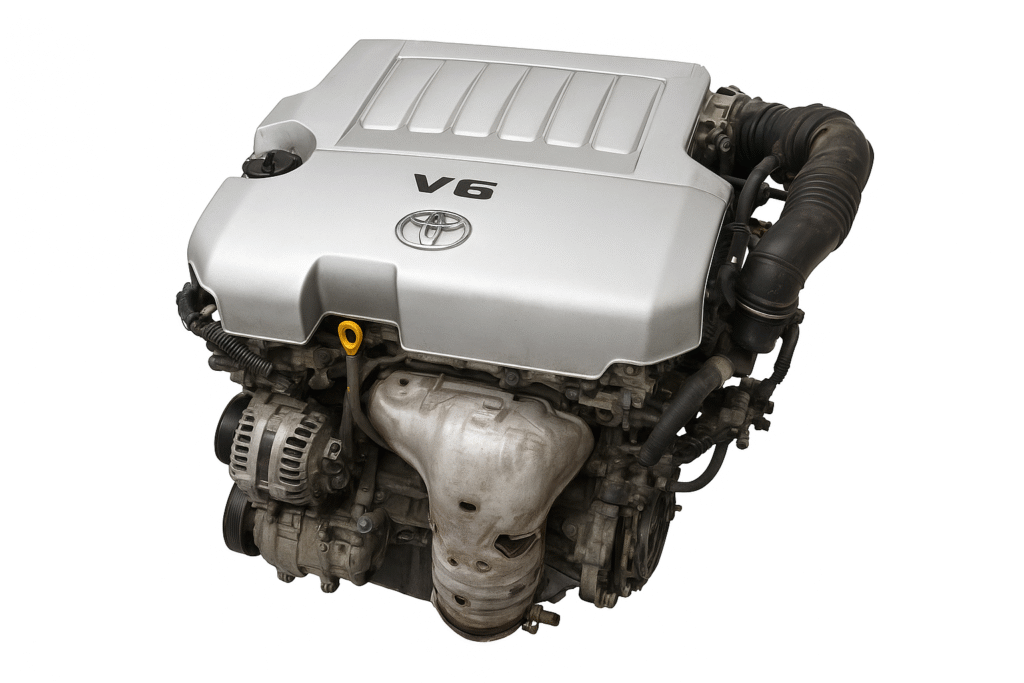
Key Benefits of a Used Engine:
-
Lower Cost: Significantly cheaper than new or remanufactured engines.
-
OEM Quality: You receive an original Toyota-manufactured engine.
-
Long Service Life: Even used engines can provide years of reliable performance.
-
Immediate Availability: Faster sourcing and delivery compared to new engines.
-
Sustainable Choice: Reduces waste and promotes parts recycling.
For many Highlander owners, purchasing a used engine allows them to extend the vehicle’s lifespan without the financial burden of replacing the entire SUV.
2. Understanding Your Toyota Highlander’s Engine Type
Before purchasing a used engine, it is critical to know which engine type your Highlander uses. Toyota has equipped the Highlander with a variety of engines across its generations.
Engine Types by Generation
1st Generation (2001–2007):
-
2.4L 4-Cylinder (2AZ-FE)
-
3.0L V6 (1MZ-FE)
-
3.3L V6 (3MZ-FE)
2nd Generation (2008–2013):
-
2.7L 4-Cylinder
-
3.5L V6 (2GR-FE)
-
Hybrid V6 system
3rd Generation (2014–2019):
-
3.5L V6 (2GR-FKS)
-
Hybrid V6
4th Generation (2020–Present):
-
2.5L Hybrid
-
2.4L Turbocharged engine (newer models)
How to Confirm Your Engine Type:
-
Check your VIN
-
Review your owner’s manual
-
Ask a professional to decode the engine ID
-
Contact a supplier for verification
A reputable supplier will always confirm compatibility before processing your order.
3. What Makes a Used Engine High Quality?
Not all used engines meet the same standard. A reliable engine must be thoroughly inspected, tested, and evaluated before sale.
Indicators of a High-Quality Used Engine:
1. Verified Mileage
Lower mileage usually means less wear and longer remaining life.
2. Compression Test Results
Healthy compression ensures strong internal engine condition.
3. Clean Internal Components
Proper oil maintenance leaves fewer deposits and less sludge buildup.
4. No Cracks, Leaks, or Gasket Issues
Physical integrity is critical for long-term performance.
5. Engine Starts and Runs Smoothly
This demonstrates reliable performance at the time of removal.
6. Professional Dismantling
Engines removed from vehicles carefully and professionally tend to be in better shape.
Suppliers with strict quality controls can guarantee more reliable engines and reduce the risk of post-installation issues.
4. Pricing Expectations for Used Highlander Engines
The price of a used Toyota Highlander engine varies depending on the model year, type, mileage, and availability.
Average Price Range:
-
4-Cylinder engines: $1,000 – $1,800
-
V6 engines: $1,800 – $3,500
-
Hybrid engines: $2,500 – $4,500
Factors influencing cost include:
-
Mileage
-
Engine condition
-
Generation compatibility
-
Warranty length
-
Supply and demand
Even at the higher end, a used engine remains significantly more affordable than a new engine or vehicle replacement.
5. Should You Consider a Hybrid Highlander Engine?
Hybrid Highlanders are a popular choice due to exceptional fuel efficiency and advanced Toyota hybrid technology. However, hybrid engines are more complex and must be sourced from a trustworthy supplier.
Important considerations for hybrid engines:
-
Battery condition
-
Electric motor health
-
Cooling system performance
-
Hybrid control module compatibility
A fully tested hybrid engine can be an excellent long-term investment, offering both fuel economy and strong performance.
6. Signs That Your Highlander Needs an Engine Replacement
If your Highlander is displaying any of the following symptoms, internal engine damage may be severe enough to justify a replacement:
-
Persistent knocking or ticking noises
-
Engine overheating
-
Loss of power or poor acceleration
-
Excessive oil consumption
-
Blue, white, or grey exhaust smoke
-
Metal particles in the oil
-
Low or uneven cylinder compression
-
Repeated check engine light alerts
Often, replacing the entire engine is less expensive—and more effective—than attempting multiple repairs.
7. Installation: Ensuring Long-Term Engine Performance
The installation process is just as important as engine selection. A high-quality used engine can underperform if not installed correctly.
Best Practices for Installation:
-
Replace all gaskets and seals
-
Install new spark plugs
-
Flush coolant and engine oil
-
Inspect engine mounts and hoses
-
Perform a full cooling system check
-
Verify sensor compatibility
-
Update ECU programming if required
A qualified mechanic ensures your replacement engine operates smoothly for years to come.
8. Warranty and Return Policy: What to Look For
A warranty is one of the strongest indicators of a supplier’s confidence in their product. When purchasing a used engine, always evaluate the warranty terms.
A good warranty includes:
-
Coverage of 6 to 12 months
-
Protection against internal mechanical failure
-
Replacement or repair options
-
Clear terms and exclusions
Avoid suppliers that offer no warranty or vague terms.
9. Choosing a Reliable Engine Supplier
The value of your purchase depends heavily on the reliability of the supplier you choose. A professional supplier ensures transparency, quality, and customer protection.
Qualities of a trusted supplier:
-
Provides verified test results
-
Ensures mileage accuracy
-
Offers clear warranty terms
-
Maintains strict quality control procedures
-
Provides customer support for compatibility
-
Delivers safe, fast nationwide shipping
Working with a reputable company reduces risk and ensures long-term satisfaction with your engine replacement.
10. Final Thoughts: Making a Confident Purchase
Replacing a Toyota Highlander engine with a high-quality used unit is a smart decision for drivers who want long-term performance without the high cost of buying a new vehicle. Toyota engines are known for durability, and even used engines can provide years of reliable service when sourced from a trusted supplier.
By understanding your engine type, evaluating crucial quality indicators, and selecting a reputable provider, you can make an informed purchase that restores your Highlander’s power, safety, and dependability.
Contact Information
For engine availability, compatibility checks, or assistance, contact:
USA Auto Parts LLC
📞 +1 (800) 889-9651
🌐 https://usaautopartsllc.com
📧 Billing@usaautopartsllc.com